
Casita vs Cube Two
Casita is the safer buy if you need a permitted, financeable dwelling; the Cube Two competes on price, format or speed, not on a certification a planning department will accept.
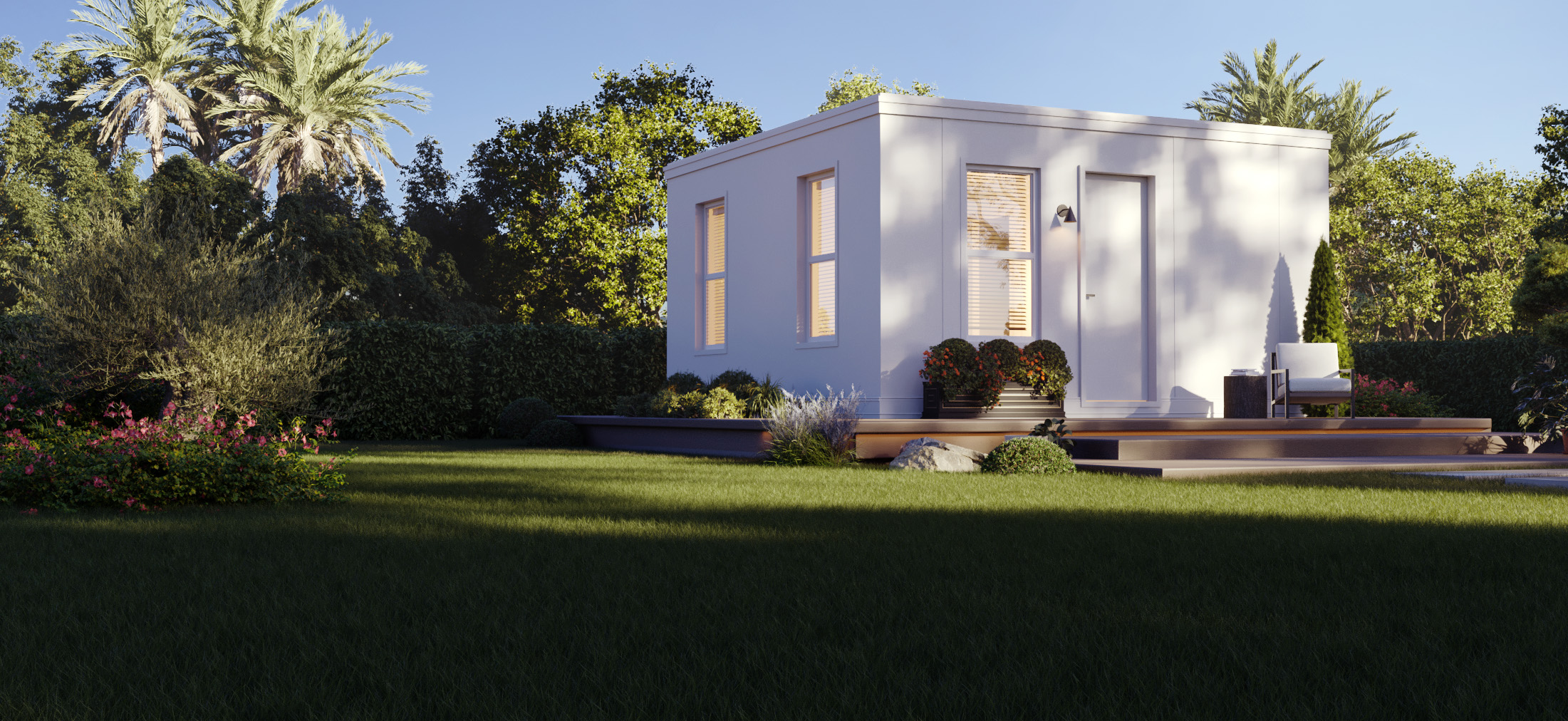
Casita
The unit that created the category. A 361 sq ft studio that folds to highway width, ships flat, and unfolds in about an hour. The $60k headline price is real; the $60k delivered price is not.
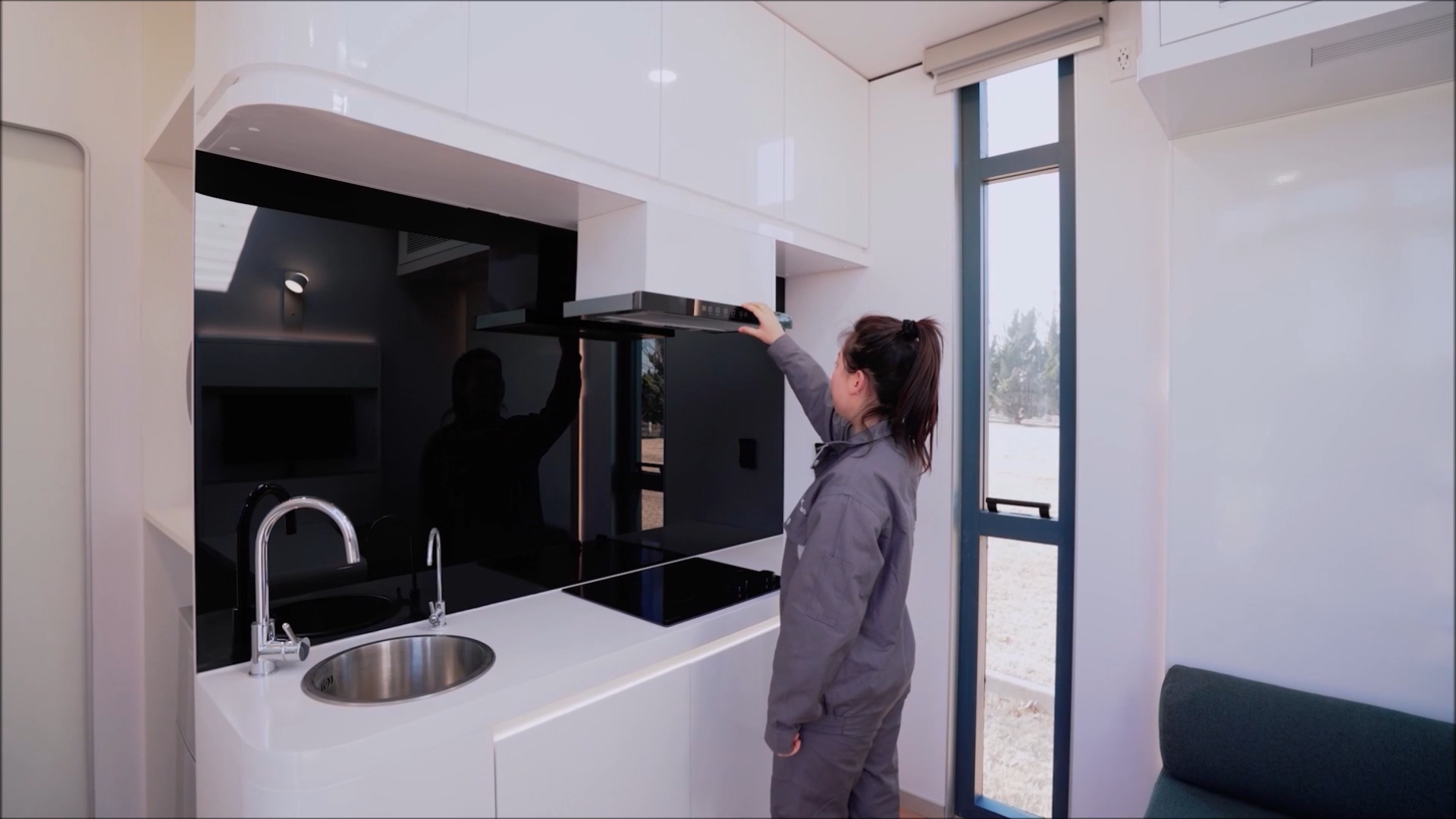
Cube Two
A fully finished two-bedroom capsule home delivered furnished, with the strongest industrial design in the category. Not hinged or expandable in the mechanical sense — it simply arrives complete.
Which one wins
Casita is the lower delivered cost ($95,000 – $175,000 versus $100,000 – $150,000). Remember both figures are estimates that already fold in freight, site work and hookups, not base prices. Casita gives you more deployed floor area at 361 sq ft against the Cube Two's 349 sq ft. Casita carries the stronger certification position (state modular seal), which is what decides financing, insurance and whether a county will permit it as a dwelling; the Cube Two is uncertified, so treat it as a portable building until your jurisdiction says otherwise. They also deploy differently — the Casita is a foldable and the Cube Two is a expandable container, which changes crane needs, crew and how fast it is usable on delivery day. Some specifications on this page are projected rather than confirmed by the manufacturer — check the badges before relying on a number.
Full spec comparison
| Specification | Casita | Cube Two |
|---|---|---|
| Maker | Boxabl | Nestron |
| Category | Foldable | Expandable container |
| Status | Shipping | Shipping |
| Base priceProjected / Unconfirmed | $60,000 | $79,800 |
| Estimated delivered costProjected / Unconfirmed | $95,000 – $175,000 | $100,000 – $150,000 |
| Deployed areaProjected / Unconfirmed | 361 sq ft | 349 sq ft |
| Bedrooms | Studio / none | 2 |
| Bathrooms | 1 | 1 |
| Folded dimensionsProjected / Unconfirmed | 8.5 ft W × 19 ft L × 12 ft 4 in H (towed at legal 8.5 ft width, no special permit) | Ships as a single rigid ~9 m wide-load module on a flatbed (not a folding unit) |
| Deployed dimensionsProjected / Unconfirmed | 19 ft × 19 ft footprint, 9.5 ft ceilings | 9.0 m × 3.6 m × 3.0 m (about 348.75 sq ft) |
| Setup timeProjected / Unconfirmed | Roughly 1 hour to unfold and about a day to be move-in ready; utilities and inspection still take days to weeks | Craned into place in a day; arrives fully finished, plug-and-play |
| Foundation | The modular Casita requires a permanent foundation (pad, pier or slab) in most jurisdictions; a separate park-model RV version sits on a rolling chassis. Delivered as a factory-built dwelling, not a trailer you can simply park. | No permanent foundation required (piers or a level pad); plug-and-play |
| Certifications | State modular seal | No certification verified |
| Regions served | United States — approved and delivered as factory-built/modular housing in a growing list of states (CA, NV, AZ, TX, NM and SC as of 2026); 800+ Casitas built to date per Boxabl's own site (Oct 2026). Delivery cost varies sharply by distance from North Las Vegas. | Asia-Pacific; Europe; North America (US & Canada dealers) |
| Lead timeProjected / Unconfirmed | Waitlist based; Boxabl cites production in as little as ~2 months, but order-to-delivery has historically run much longer and remains its most criticised metric | About 30–45 days plus ocean freight |
| Financing | Not financeable as conventional real estate until permanently affixed. Boxabl cites ~$895/mo financed. Because the modular Casita carries a state modular seal rather than a HUD label, standard manufactured-home (chattel) lending is not the default path; buyers typically use personal loans, RV/chattel lending on the park-model version, or cash. | No manufacturer financing — configurator/quote only. Cash or unsecured lending in most US cases; certification is case-by-case and local. |
| Warranty | 1-year manufacturer warranty plus a 6-year extended warranty per Boxabl; confirm current terms in writing | 50-year structural warranty on the steel structure (per company/press) |
| Best for | ADU / backyard home, Primary residence, Rental investment | Hospitality & short stay, ADU / backyard home, Rental investment |
Who should buy the Casita
Buy the Casita if you want a permitted, financeable dwelling and can budget the full delivered cost rather than the base price — it is the side of this comparison a lender and an appraiser will recognise.
- • Genuinely fast on-site deployment — the fold-out is measured in hours, not weeks
- • Finished interior arrives with cabinetry, appliances, HVAC and bathroom already installed
- • Approved as factory-built/modular housing in a growing list of states (CA, NV, AZ, TX), which is what lets it be permitted as a dwelling
Who should buy the Cube Two
Buy the Cube Two if you are a hospitality or short-stay operator where nightly rate, guest appeal and speed to revenue matter more than residential certification.
- • Arrives fully furnished with smart-home systems installed
- • Best-in-category design language; photographs extremely well for short-stay listings
- • Two bedrooms and a bath in ~349 sq ft; single-piece delivery means no on-site weather sealing risk
Questions people ask about this comparison
- How much does a Boxabl actually cost delivered?
- The Casita's base price is around $60,000. A realistic delivered-and-installed figure in the US is $95,000 to $140,000 once you add freight, crane, site work, an engineered pad, utility connections and permits. On raw land with no services, the top of that range is the honest planning number. Anyone quoting you a turnkey Casita at the base price is leaving something out.
- Which foldable home is best for a backyard ADU?
- Certification decides it. You need a HUD label or a state modular seal to place a unit as a permitted accessory dwelling in most jurisdictions, which narrows the field sharply — most expandables and imported cabins are uncertified. The Boxabl Casita, which carries a state modular seal in a growing list of states, is the standout realistic candidate; Brette Haus wins on finish quality if you can absorb the import freight and satisfy your county on certification yourself.
- How long does it take to get a Boxabl after ordering?
- Longer than the marketing implies. Boxabl cites factory production in as little as roughly two months, but that describes throughput once your unit is in the line, not the total time from deposit to a home you can occupy. Order-to-delivery has historically run much longer, and independent 2026 buyer guides describe multi-year waits as plausible depending on state approvals, land readiness and order timing. The 175,000-plus 'waitlist' is a soft reservation count, not your place in a paid queue — get delivery timing in writing before you commit.
- How many Boxabl Casitas have actually been delivered?
- Roughly 318 units across 10 states by mid-2026, per Boxabl's filings and press coverage. That is real production, and it is a very different order of magnitude from the 175,000-plus reservation figure the company promotes. If you are weighing a deposit or the stock, the delivered-units trend in the quarterly filings is the number that matters, not the reservation headline.
- What certification does the Boxabl Casita have?
- The modular Casita carries a state modular seal and has been approved as factory-built housing in a growing list of states, including California, Nevada, Arizona and Texas as of 2026. It is not HUD-certified — a common misconception — which is why standard manufactured-home (chattel) lending is not the default financing path. A separate park-model RV version is built to the ANSI A119.5 recreational standard, which is a different classification with different placement rules.
- Can a Boxabl Casita be a permanent residence?
- Yes, where local rules allow it. Because it carries a state modular seal and installs on a permanent foundation, the Casita is permitted as a dwelling in the states where it is approved, and one- and two-bedroom variants now sit alongside the studio. The two things that most often block it are minimum-dwelling-size ordinances (some jurisdictions require 600–1,000 sq ft, which a 361 sq ft studio fails) and local zoning — so confirm both with your county before ordering.