
ConceptProjected / Unconfirmed
Ten Fold Engineering TF-20
A self-unfolding structure that goes from truck to fully open building in minutes with no crane and no site crew. A demonstrated working prototype and extraordinary engineering, but the TF-20 is not yet orderable, shipping, or certified — you cannot buy one like a Casita.
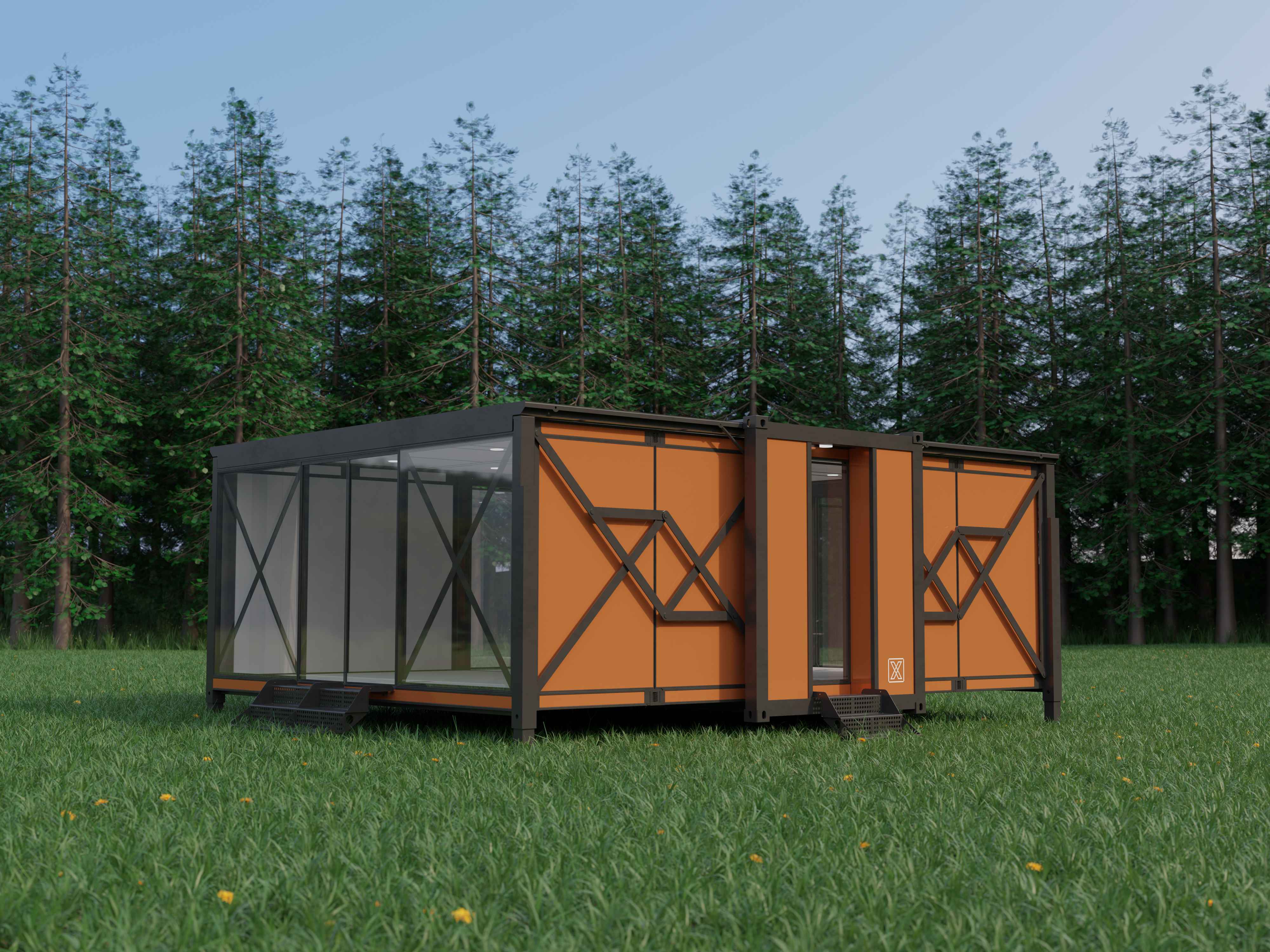
What's good
- Fastest deployment in the entire category by an order of magnitude
- No crane, no assembly crew, no foundation for temporary use
- Genuinely re-deployable — it folds back up and moves again
- Working prototype demonstrated on video; suited to disaster response, mobile clinics and pop-up commercial space
What's not
- Never shipped a commercial unit; announced timelines have repeatedly slipped
- Anticipated price of roughly $275k–$300k before shipping and site work
- No verified residential certification — approvals were slated to begin but are not in hand
- Mechanism complexity means maintenance is not a homeowner task
Full specifications
Anything we could not confirm with the manufacturer carries a Projected / Unconfirmed badge. We would rather flag an estimate than publish a number we invented.
| Maker | Ten Fold Engineering |
|---|---|
| Category | Unfolding system |
| Status | Concept |
| Base priceProjected / Unconfirmed | Quoted per project |
| Estimated delivered costProjected / Unconfirmed | $280,000 – $420,000 |
| Deployed areaProjected / Unconfirmed | 400 sq ft |
| Bedrooms | 1 |
| Bathrooms | 1 |
| Folded dimensionsProjected / Unconfirmed | 20 ft L × 8 ft W × 9.5 ft H (ISO-container-compatible transport envelope) |
| Deployed dimensionsProjected / Unconfirmed | 20 ft L × 24 ft W × 9.5 ft H, about 450 sq ft footprint (400 sq ft interior open space) |
| Setup timeProjected / Unconfirmed | Unfolds itself in about 8–10 minutes; under an hour to fully deploy and level, one person, no crane |
| Foundation | No permanent foundation; auto-levels over up to ~9 in of ground variation; site clearing and utilities still required |
| Certifications | No certification verified |
| Regions served | United States (ships from Springfield, Vermont, once available); International if the buyer covers freight |
| Lead timeProjected / Unconfirmed | Not committed — prior 2023/2024 timelines were missed |
| Financing | Third-party financing planned; not a consumer retail purchase today. |
| Warranty | In development; not published |
| Best for | Jobsite & workforce, Disaster relief, Hospitality & short stay |
Financing
Third-party financing planned; not a consumer retail purchase today.
Read the financing guide →Foundation & permits
No permanent foundation; auto-levels over up to ~9 in of ground variation; site clearing and utilities still required
Read the permitting guide →Compare with…
Build a custom comparison →TF-20 — questions buyers ask
- How much does a Boxabl actually cost delivered?
- The Casita's base price is around $60,000. A realistic delivered-and-installed figure in the US is $95,000 to $140,000 once you add freight, crane, site work, an engineered pad, utility connections and permits. On raw land with no services, the top of that range is the honest planning number. Anyone quoting you a turnkey Casita at the base price is leaving something out.
- What is the cheapest foldable home you can actually buy?
- Expandable container buildings sell in the US from roughly $20,000 on marketplaces, and brand-name US sellers like Chery Industrial now start closer to $30,000, sometimes available from stock. They are legitimate portable buildings — excellent jobsite offices, studios and farm structures. They are not certified dwellings in most counties, so if your plan is to live in one full-time on a permitted lot, the real cheapest option is a certified unit at two to three times that price.
- Are the expandable container homes on Amazon any good?
- As portable buildings, some are perfectly fine — a galvanized-steel frame with foam-panel walls that unfolds into 380–800 sq ft for a low price, useful as an office, studio, guest room or short-stay unit. As dwellings, they are a problem: none of the Amazon-sold units in our catalog (Feekercn, EROMMY) carries a verified residential certification, so most jurisdictions will not permit them as a residence, and warranty and support are retail-grade. Buy one for what it is, plan for import logistics and an electrician, and do not mistake a low sticker price for a low-cost home.
- Can I put a foldable home on raw land?
- Physically yes, but the site work is where the budget goes. Raw land with no services means you pay for access, clearing and grading, a foundation, and — the big one — utilities, where a septic system alone can exceed $20,000. On the cheapest units the site work frequently costs more than the building. Plan on roughly base price × 2.2 for an unserviced site, and confirm your parcel is zoned for a dwelling and can pass a septic/perc test before you buy either the land or the unit.
- What is the Boxabl Baby Box?
- A small towable Boxabl launched around $19,999, with a wet bath and kitchenette in roughly 120 sq ft, aimed at offices, studios and guest rooms rather than full dwellings. It is SUV-towable and off-grid capable, but it is RV-classed rather than a permitted dwelling, and several specs — folded dimensions, certification and warranty — remain unconfirmed by Boxabl. Treat it as a preorder with projected numbers, not a shipping product you can pin down today.